


What is a Stomach Ulcer?
A stomach ulcer (or gastric ulcer) is an open sore in your stomach lining. It's a common cause of focal stomach pain — pain that you can feel coming from a particular spot — often with a burning or gnawing quality. But not all stomach ulcers cause noticeable symptoms.
Stomach ulcers are common and treatable, but they can become serious if they go too long without treatment. Some ulcers bleed continuously, which can lead to significant blood loss over time. Some can continue to erode through your stomach wall until there's a hole.
Prevalence in Nigeria
In Nigeria, the prevalence of peptic ulcer disease (PUD), including both gastric and duodenal ulcers, is a significant public health concern, with studies indicating a yearly diagnostic rate of around 6.7%.
What is GERD?
Gastroesophageal reflux disease (GERD) is a chronic condition where stomach acid frequently flows back into the tube connecting your mouth and stomach (esophagus). This backwash (acid reflux) can irritate the lining of your esophagus, causing heartburn, regurgitation, and other symptoms.
Note: A stomach ulcer is sometimes called a peptic ulcer. Stomach ulcers are one type of peptic ulcer disease. If you experience symptoms like burning stomach pain, nausea, or heartburn, seek medical attention for proper diagnosis and treatment.
Symptoms of Stomach Ulcers
A stomach ulcer feels like a sore spot in your stomach, located in your upper abdomen, between your breastbone and your belly button, a little to the left. Typical ulcer pain feels like an acid burn in your stomach, or like something is eating it.
Common Symptoms
- Acid reflux and heartburn
- Nausea and vomiting
- Bloating, belching and gas pain
- Burning stomach pain together with fullness
Silent Ulcer Symptoms (Emergency Signs)
- Pallor (paleness)
- Dizziness, weakness or faintness
- Black blood in your poop
- Vomit that looks like coffee grounds
- Sudden, severe abdominal pain that doesn't go away
Seek Emergency Care If You Have:
- Severe pain that doesn't go away
- Signs of blood in your poop or bloody vomit
- Signs of severe blood loss, such as paleness and faintness
What Causes Stomach Ulcers?
H. pylori Infection
A very common bacterial infection affecting up to half of people worldwide. As bacteria multiply, they eat into your stomach lining, causing chronic inflammation that leads to gastric ulcers.
NSAIDs Overuse
Nonsteroidal anti-inflammatory drugs like ibuprofen, naproxen and aspirin irritate your stomach lining and inhibit chemicals that defend and repair it.
Note: These two causes together account for about 99% of stomach ulcers.
Lifestyle Factors That Worsen Ulcers
Normal lifestyle factors like stress and diet don't cause stomach ulcers, but they can make symptoms worse. Anything that makes your stomach more acidic can irritate the wound, including:
- Smoking
- Alcohol
- Spicy and acidic foods
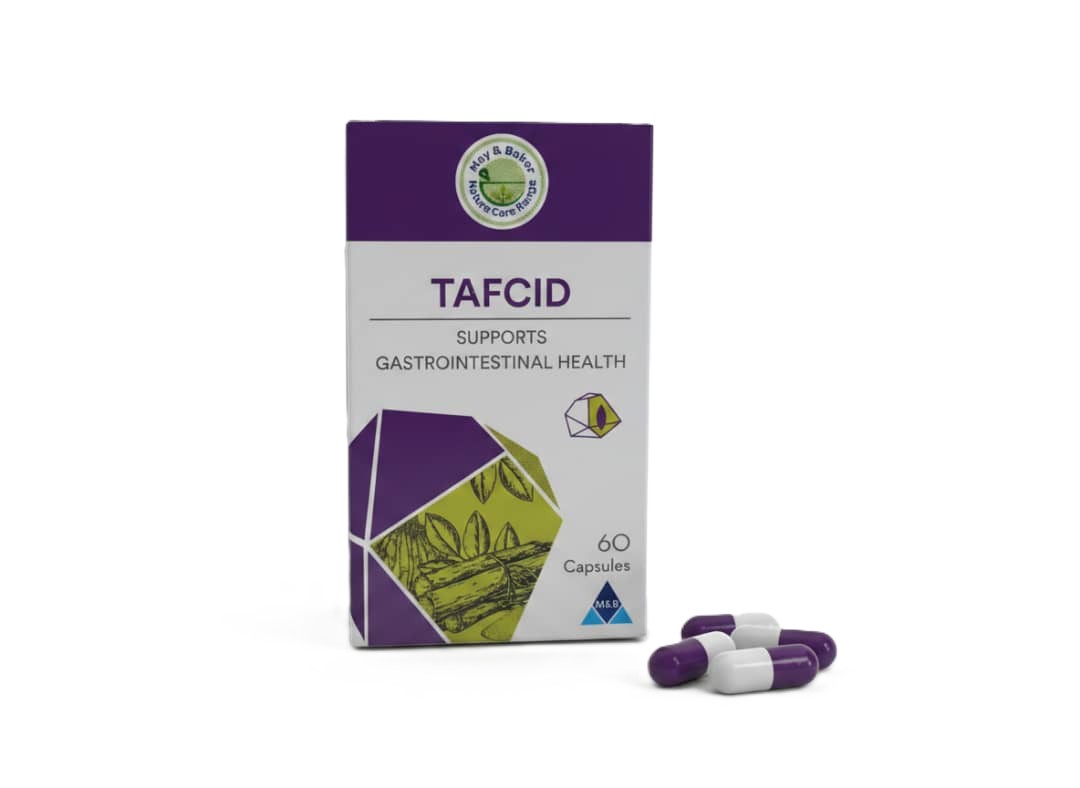
How Tafcid Combats GI Ulcer
Tafcid exhibits anti-ulcer activity by inhibiting gastric acid secretion, enhancing mucosal defense mechanisms, and potentially acting as a cytoprotective agent, thus protecting against gastric ulcers.
Mechanism of Action
Inhibits Gastric Acid Secretion
Reduces volume of gastric secretion, free acidity, and total acidity, inhibiting release of hydrochloric acid.
Enhances Mucosal Defense
Increases production and viscosity of gastric mucus, acting as a protective barrier against acid and pepsin.
Improved Epithelial Cell Life Span
Increases lifespan of stomach mucosal epithelial cells, strengthening the stomach lining.
Cytoprotective Effects
Acts as a coating agent, binding to the ulcer bed and promoting healing.
Antioxidant Activity
Enhances antioxidant defense mechanisms, protecting against oxidative damage to gastric mucosa.
Promotes Gastric Emptying
Reduces time stomach is exposed to acid by promoting gastric emptying.
Prostaglandin Enhancement
Raises prostaglandin concentration, stimulating mucus secretion and promoting cell proliferation for ulcer healing.
Anti-inflammatory Effects
Inhibits phospholipase A2 enzyme activity and reduces reactive oxygen species (ROS) generation.
Regulates COX-2 Expression
Further contributes to anti-ulcer effects through regulation of inflammatory pathways.
Neutralizes ROS & Enhances Antioxidants
Reduces oxidative stress and enhances activity of endogenous antioxidants like superoxide dismutase (SOD) and catalase (CAT).
Inhibits NF-κB Pathway
Suppresses key signaling pathway involved in inflammation.
Modulates Gut Microbiota
Promotes beneficial changes in gut microbiota, indirectly contributing to ulcer healing.
Dosage
Children above 12 years and Adults: Take 1 capsule two times daily, 30 minutes before food.
Administration: Take consistently as directed for optimal gastrointestinal support.
Management and Treatment
What is the fastest way to cure a stomach ulcer?
Your stomach lining will begin to heal when the cause of the ulcer goes away. If you can make it go away without treatment — for example, if your ulcer is due to NSAID use and you stop taking NSAIDs — this might be enough for the ulcer to heal by itself. If you have an H. pylori infection, you'll probably need antibiotics. Tafcid helps reduce acid in your stomach and protect your stomach lining to promote faster healing.
Medications for Ulcer Treatment
- Antibiotics for H. pylori infection
- Cytoprotective agents - coat and protect stomach lining
- Histamine receptor blockers (H2 blockers) - reduce stomach acid
- Proton pump inhibitors (PPIs) - reduce acid and promote healing
Ask your pharmacist or doctor for more details about treatment options, including how Tafcid can be incorporated into your management plan.
How to Prevent a Stomach Ulcer
- Eliminate H. pylori: Simple breath test or stool test can detect it. Treat proactively before it causes problems.
- Use NSAIDs as directed: Don't take more than recommended dose. Talk to your provider about protecting your stomach lining.
- Reduce other irritants: Avoid smoking, alcohol use, and other medications that can make ulcers more likely.
Outlook / Prognosis
If you're taking your medications as prescribed and avoiding things that might aggravate the ulcer, it should heal within a few weeks. Most people will only need short-term treatment, but some people with chronic conditions may need long-term medication.
Living With Ulcer
What should I do if I think I have a stomach
ulcer?
Always seek medical care for a stomach ulcer.
While you may be able to manage your symptoms
temporarily with over-the-counter medications like
antacids, these won't heal the ulcer. You need to
address the underlying cause. An untreated ulcer
can lead to serious complications, even if you
don't have severe symptoms.
Tafcid - Natural Support for Gastric Health
